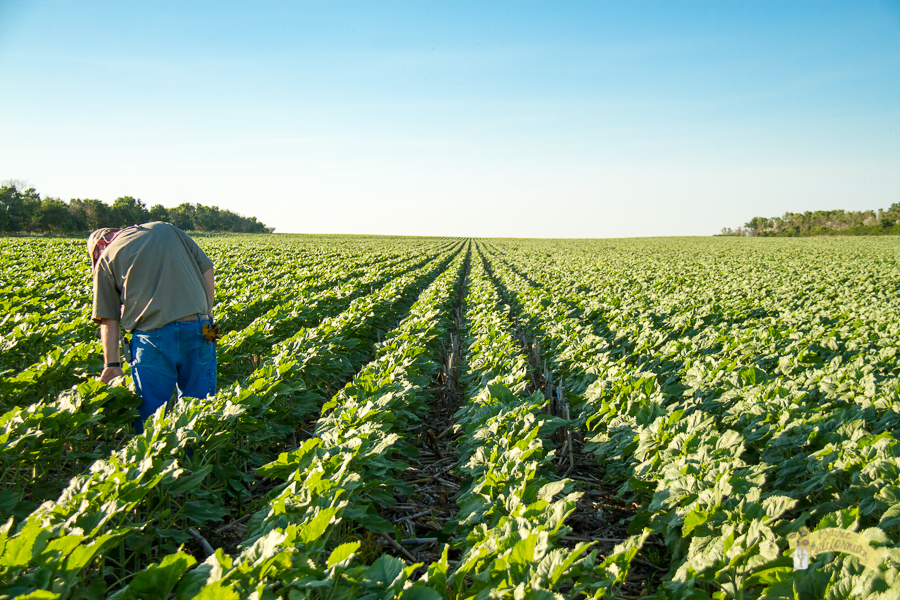
Precisely what is an agronomist?
An agronomist is a professional who applies scientific understanding and approaches into the administration and creation of crops. Agronomists work in a variety of settings, from farms and ranches to government organizations and personal corporations. They could also do the job in research laboratories or instruct at colleges and universities.
Most agronomists have no less than a bachelor's diploma in agronomy or maybe a similar subject, for instance agricultural science or soil science. A lot of agronomists also have master's degrees or doctorates. The exact nature of the agronomist's position will depend on her or his specialty and employer.
Agronomists Perform a vital role in making sure that crops are healthier and productive. They use their knowledge of plant science to establish techniques to improve crop production, battle pests and diseases, and conserve water and various resources.
The purpose of an agronomist
is to help the whole world satisfy its expanding food output needs. According to the U.S. Bureau of Labor Data (BLS), employment for agronomists is predicted to grow a lot quicker than average, with openings because of learn more expansion and substitute requirements.
The work of an agronomist
is hard and gratifying, with agronomists normally being involved with research and training.
The education and learning of an agronomist
Agronomists will need at the very least a bachelor's diploma in agronomy or associated area from an accredited uni.
The future of agronomy
Agronomists help to make certain that the world's population has adequate food items, and they function to boost crop yields and reduce agriculture's impact on the natural environment. The BLS suggests that agronomists are in demand, but competition for Employment is probably going to generally be strong.
Summary
Agronomists are concerned with the study of vegetation, plus they do the job in a variety of fields, from agricultural study to raising crops. Agronomists are required to make certain that crops are generated for consumption, but In addition they help produce biofuels along with other plant-based goods.